The Professional Guide to Coffee Truck Design and Fabrication in 2026
A world-class coffee truck is a precision-engineered hospitality suite, not merely a kitchen on wheels. While the dream of mobile service is inspiring, the technical reality often catches entrepreneurs off guard. You likely understand that a sophisticated aesthetic is vital for your brand, yet you may worry about the invisible hurdles like power surges or complex permit delays. This is a reasonable concern in a global market that is rapidly expanding toward a $6.8 billion valuation.
This guide from Hudson Trailer Company delivers the strategic engineering and design insights you need to realize a high-performance mobile business. We will detail how to avoid the common workflow bottlenecks and mid-event power failures that plague lesser builds. You'll discover the professional path to a road-ready unit that matches your physical property's luxury, whether you choose a vintage Airstream or a nimble Piaggio Ape. From managing the latest permit and regulatory requirements to selecting the perfect vehicle for your brand image, we provide the blueprint for your operational success. The future of mobile hospitality is here.
Key Takeaways
Define the internal anatomy and the "Golden Triangle" to optimize barista workflow for high-volume service environments.
Learn to calculate and manage the complex electrical and plumbing demands essential for a reliable coffee truck operation.
Compare the aesthetic and functional footprints of various vehicle types, including vintage step vans and specialized mobile conversions.
Explore how to transition from a traditional food truck model to a premium experiential brand that attracts high-tier hospitality partners.
Identify the strategic advantages of a turnkey design and fabrication partnership to ensure your mobile unit is both road-ready and operationally sound.
What defines a professional coffee truck in 2026?
A professional coffee truck is no longer a mere vehicle; it's a specialized mobile hospitality unit engineered specifically for high-volume espresso service. While the history of food trucks began with utilitarian street vending, the current market has shifted toward high-end experiential branding. For luxury resorts and developers, these units serve as flexible, high-value assets that extend the physical property’s reach into new territories. They aren't just mobile kitchens. They're precision tools designed to deliver a specific brand promise in any environment, whether parked at a beachfront hotel or an urban development site.
The distinction between a hobbyist project and a professional build lies in commercial reliability. Professional fabrication outweighs DIY conversions because it prioritizes long-term operational success over initial cost savings. In a high-stakes environment like a corporate event or a luxury wedding, equipment failure is not an option. Turnkey professional units integrate heavy-duty components and reinforced chassis systems that withstand constant vibration and fluctuating temperatures. This engineering ensures that your business remains operational during peak demand, protecting your reputation and your bottom line. Precision matters.
The evolution of mobile coffee hospitality
Mobile units are becoming permanent fixtures in luxury hotels and mixed-use developments worldwide. This evolution reflects a broader shift in consumer expectations. In the 2026 Instagrammable economy, the physical appearance of your unit is as vital as the quality of the roast. Aesthetics drive engagement. We've moved beyond simple drip coffee service to sophisticated, full-service mobile espresso bars. These units are capable of producing artisanal lattes and nitro cold brews with the same precision as a premium brick-and-mortar cafe, often serving as the primary hospitality touchpoint for modern guests.
Commercial vs. consumer-grade mobile units
Many entrepreneurs make the mistake of using residential RV components, which inevitably fail under the stress of a high-volume coffee environment. Commercial-grade finishes and NSF-certified materials are non-negotiable for passing rigorous health inspections and maintaining hygiene standards. Professional custom coffee trailer builders understand that every square inch of a bespoke unit must be optimized for durability and sanitation. They utilize high-tier stainless steel surfaces and high-capacity plumbing systems that can handle hundreds of drinks per day. A professional coffee truck is a custom-engineered asset designed to maximize revenue through consistent, high-speed performance and unwavering mechanical integrity.
Designing for high-volume workflow: The internal anatomy
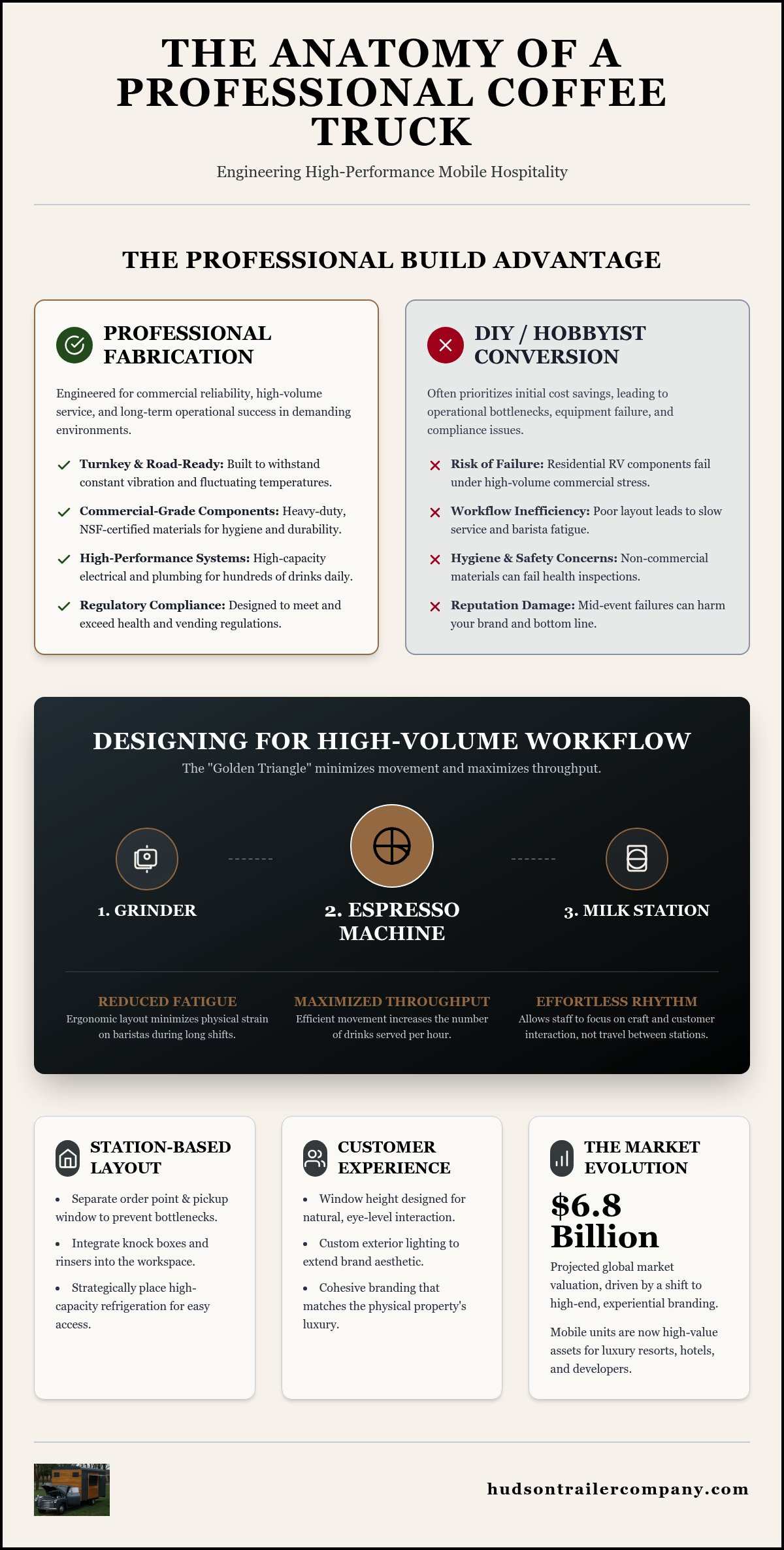
Efficiency is the hallmark of luxury service. In a high-volume coffee truck, every second counts toward your daily revenue and guest satisfaction. The internal anatomy of a professional build centers on the "Golden Triangle" of mobile coffee: the grinder, the espresso machine, and the milk station. By positioning these three elements in a tight, ergonomic cluster, we minimize barista movement. This reduces physical fatigue and maximizes throughput per hour. It's about creating a rhythm that feels effortless even during peak morning rushes. Precision in the layout allows your team to focus on the craft rather than the commute between stations.
Countertop selection requires a sophisticated balance of durability and high-end aesthetics. While stainless steel remains the industry standard for hygiene, premium builds often incorporate high-performance composites that resist heat and staining while mirroring the elegance of a resort lobby. Storage must be equally strategic. Overhead cabinetry and integrated under-counter bins should house high-volume supplies like cups, lids, and fresh beans without obstructing the central path of travel. Every square inch must serve a purpose. If you're planning a build, consulting with expert mobile unit fabricators can help you visualize this spatial logic before construction begins.
Station-based layout strategies
Crowds signify success, but poor layout turns them into an operational liability. A professional station-based strategy separates the order point from the pickup window to prevent bottlenecks. This flow manages the guest queue effectively while giving the barista space to work. Integrating knock boxes and milk rinsers directly into the workspace keeps the station clean and productive. High-volume refrigeration must be planned early in the fabrication process. These units must be accessible yet positioned so they don't impede the barista's natural rotation. Beyond workflow, your design must comply with evolving legal standards. The 2026 Texas mobile vending regulations, for example, introduce specific plumbing and licensing configurations that must be baked into the internal anatomy of your unit to ensure compliance across the state.
Designing for the customer experience
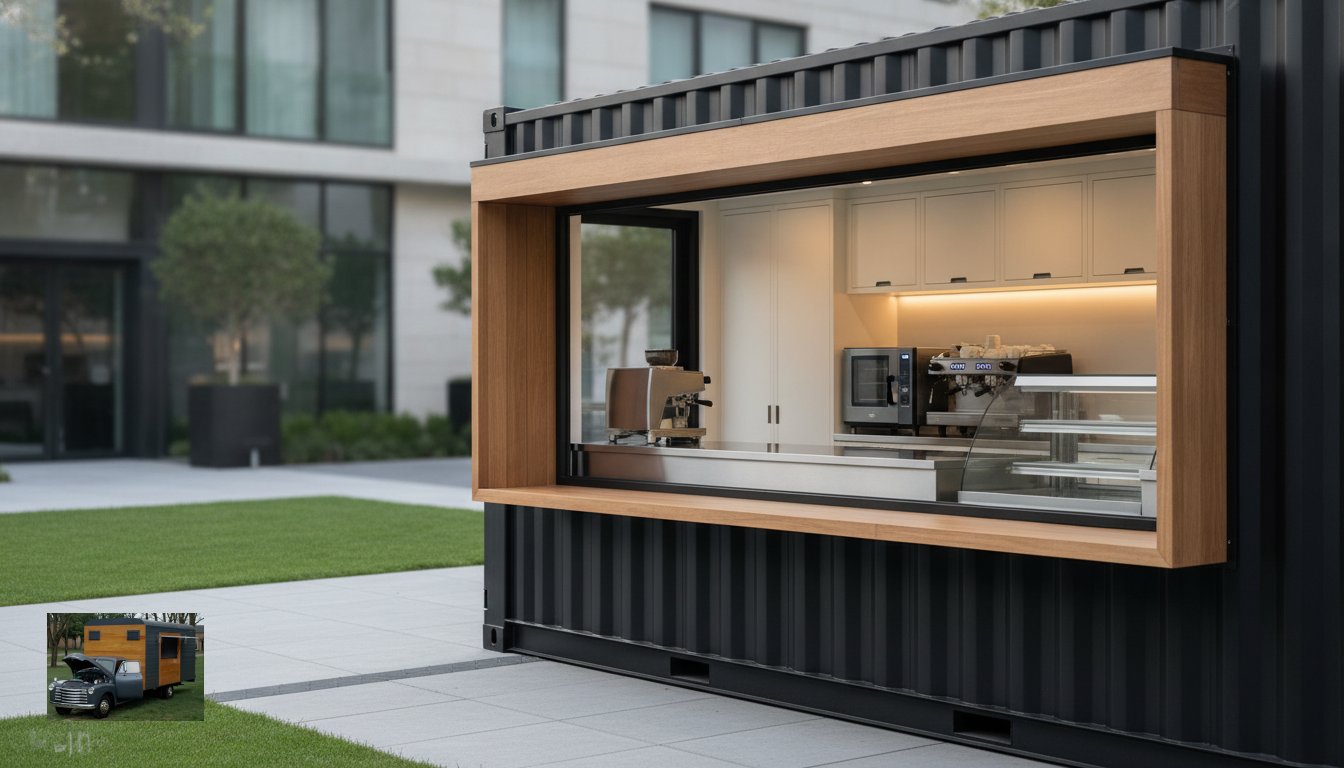
The exterior of your unit is your first handshake with the guest. Window height and service ledge depth should facilitate natural, eye-level interaction to foster a sense of connection. This isn't just about utility; it's about hospitality. Custom exterior lighting and cohesive branding ensure the unit feels like a permanent extension of your physical property. When the interior design reflects the luxury of the resort, you build immediate trust. Guests don't see the plumbing or the reinforced chassis. They see a polished, high-tier brand that promises an exceptional experience. This level of detail transforms a simple vehicle into a powerful marketing tool for your development portfolio.
Engineering the electrical and plumbing infrastructure
The technical backbone of a high-performance coffee truck is an exercise in complex load management. Unlike standard food units, a mobile cafe must support the massive simultaneous power draw of commercial espresso boilers, high-torque grinders, and precision refrigeration. This requires more than a simple plug; it demands a custom-engineered electrical grid. Electrical failure is the leading cause of mobile downtime. To avoid mid-event blackouts, your fabricator must calculate the peak amperage of every component and design a system that handles the surge without compromise. Reliability is the silent partner of success.
For luxury resorts and high-end event spaces, noise and emission control are paramount considerations. Shore power integration remains the gold standard for permanent placements, but mobile flexibility often requires sophisticated generator or battery solutions. Advanced power inverters and lithium battery banks now allow for silent operation, ensuring the guest experience remains undisturbed by mechanical hum. This transition toward electrification currently accounts for approximately 16% of the market, reflecting a growing commitment to both sustainability and premium hospitality standards. A quiet unit is a luxury unit.
Powering the mobile espresso bar
Most professional espresso equipment requires 220V power to maintain stable temperatures and pressure during high-volume service. Standard 110V outlets simply cannot keep pace with the recovery time needed for back-to-back orders at a busy resort. By integrating heavy-duty power inverters and high-capacity battery banks, you can achieve true operational independence. This setup allows your brand to function in remote locations without sacrificing the quality of the extraction or the speed of the service. Precision engineering ensures your equipment performs exactly as it would in a brick-and-mortar flagship.
The mobile plumbing stack
Water quality is the foundation of flavor consistency and mechanical longevity. A professional plumbing stack must include multi-stage filtration systems to protect expensive equipment from scale buildup while ensuring every shot meets your brand's taste profile. This system requires a pressurized water delivery network for consistent espresso extraction and high-recovery hot water heaters to satisfy strict health permit requirements. Integrating multiple sinks within a compact footprint is a necessity for efficiency. Furthermore, large-capacity gray water tanks must be engineered with easy-access drainage valves to comply with legal disposal requirements and maintain a clean, odor-free environment. Effective plumbing is invisible to the customer but essential to the professional craftsman.
Selecting your canvas: From Piaggio Apes to Airstreams
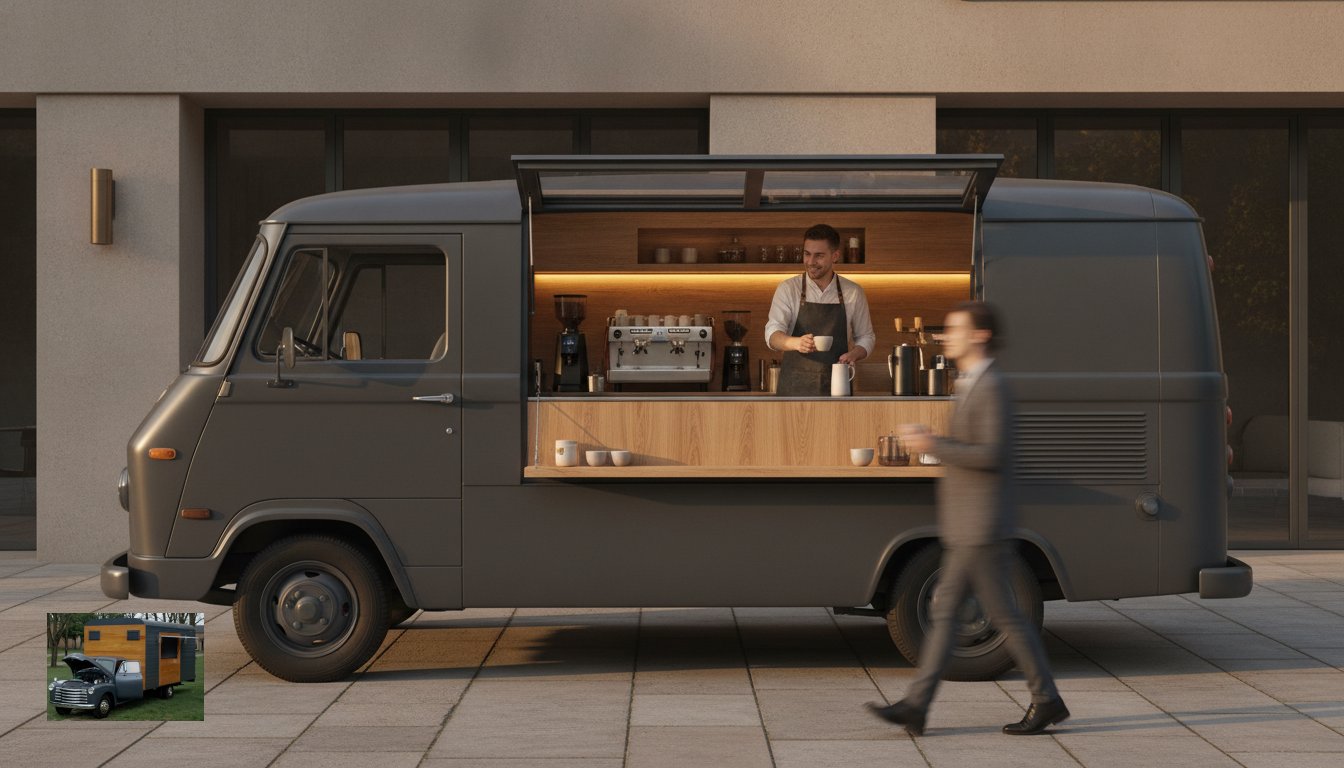
The vehicle you choose serves as the physical foundation of your brand's identity. It dictates where you can operate, how many guests you can serve, and the immediate emotional response of your audience. Selecting a coffee truck platform is a strategic exercise in balancing aesthetic vision with operational reality. Whether you require the expansive interior of a vintage van or the nimble footprint of a European micro-vehicle, your choice must reflect the specific hospitality niche you intend to occupy. The canvas must match the masterpiece.
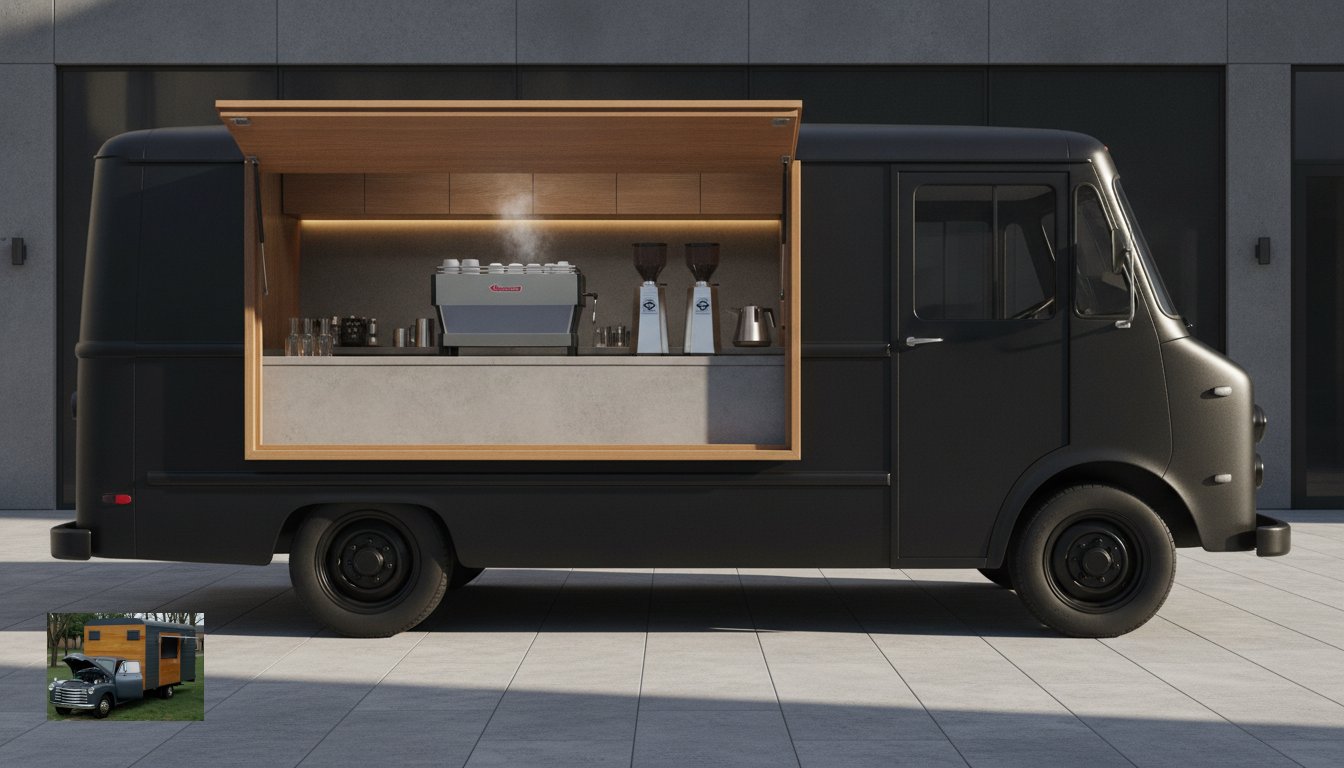
Vintage Step Vans: These provide the classic "food truck" silhouette with maximum interior square footage for multiple baristas and full-scale commercial equipment.
Piaggio Apes and Tuk Tuks: These offer compact luxury, making them ideal for indoor activations, narrow city streets, or poolside service at a resort where space is a premium.
Custom Trailers: As the most versatile option, coffee shop trailers allow for bespoke engineering from the chassis up, perfect for permanent or semi-permanent installations.
Horse Trailer Conversions: This rustic-chic approach is highly effective for country clubs and outdoor wedding venues seeking a specialized, heritage-focused feel.
Choosing the right platform is the first step in a complex journey of transformation. To see how these different canvases come to life through expert engineering, explore our portfolio of custom mobile hospitality builds to find the perfect fit for your brand.
Vintage vehicle transformations
Retrofitting a modern commercial kitchen into a vintage shell is a master craftsman's challenge. You must preserve the retro character while reinforcing the structure to support the weight of commercial espresso machines and high-capacity water tanks. Airstream renovations remain the gold standard for luxury mobile brands. Their iconic polished aluminum exterior provides a sophisticated, timeless backdrop that complements high-end resorts and experiential marketing campaigns alike. This process requires an expert who understands how to blend classic aesthetics with 2026 commercial standards. Structural integrity is never optional.
Compact and experiential units
For developers focusing on high-end pop-up activations, compact units like the Piaggio Ape offer a unique advantage. They can navigate environments where a full-sized truck cannot, such as courtyard spaces or interior event halls. These smaller units serve as powerful brand ambassadors, delivering a curated menu in a visually stunning package. Your vehicle must align with your brand's national identity. A rustic horse trailer conversion might suit a vineyard, while a sleek, modern step van fits an urban corporate campus. The goal is a seamless integration between the physical unit and the luxury experience you provide to your guests.
Launching your mobile brand with Hudson Trailer Company
Building a high-performance coffee truck requires a fusion of visionary design and industrial-strength engineering. Hudson Trailer Company (HTC) serves as the steady, experienced guide through this complex creative process. We offer a comprehensive turnkey process that transforms your initial concept into a road-ready reality. With over 200 completed projects since 2015, our portfolio includes collaborations with prestigious entities like Kohler and Treehouse Hotels. This experience allows us to navigate the technical hurdles of fabrication while you focus on your broader business strategy. We deliver more than a vehicle; we deliver a partnership in creative ambition.
National resorts and developers frequently choose specialized custom coffee trailer builders for bespoke projects that require more than a standard kitchen build. They require a partner who understands the nuances of luxury hospitality and the rigorous demands of high-volume service. Our team manages every phase of the build, ensuring that the final product meets your exact specifications and arrives ready for immediate operation. Craftsmanship is our signature, and reliability is our promise. We provide national delivery and ongoing support to ensure your mobile unit remains a high-value asset for years to come.
The design-first fabrication approach
HTC prioritizes a design-first fabrication approach that sets us apart in the industry. We collaborate directly with your existing design team to ensure every detail, from the exterior finish to the interior lighting, aligns with your established brand identity. By acting as a single partner for design, engineering, and fabrication, we eliminate the communication gaps that often lead to project delays or technical errors. The result is a commercial asset that is truly road-ready. It isn't just about aesthetics; it's about the mechanical integrity required for national transport and the structural durability needed for daily high-volume service. We build for performance.
Next steps for your mobile business
Beginning the consultation process for your custom build is a methodical and rewarding journey. Start by gathering your specific operational requirements, such as expected daily guest volume and the specific commercial equipment you intend to use. This information allows us to provide a precise fabrication quote that reflects the true scope of your project. Our commitment to excellence ensures that your final unit reflects the high standards of your physical property. We are ready to help you realize your vision with modern precision and strategic thinking. Elevate your hospitality brand with a custom Hudson Trailer build and transform your mobile business potential into a reality.
Realizing Your Vision in the Mobile Hospitality Market
Transitioning from a concept to a high-performance reality requires more than just an aesthetic eye. It demands technical mastery of complex electrical loads and specialized plumbing systems. You've explored how a strategic internal anatomy and the right vehicle selection can transform a standard mobile unit into a premier experiential brand. Every detail counts toward your commercial reliability. Precision is the foundation of luxury.
Hudson Trailer Company brings this precision to every build. We've completed over 200 bespoke projects nationally for luxury resorts and high-end hospitality venues. Our turnkey design and engineering services ensure your coffee truck is road-ready and operationally sound from day one. We don't just fabricate mobile units; we build partnerships in creative ambition. It's time to elevate your brand and realize your dreams. Start your custom coffee truck journey with Hudson Trailer Company. We look forward to building your future together.
Frequently Asked Questions
How much power does a commercial coffee truck require?
A professional coffee truck typically requires between 50 and 100 amps of 220V power to handle the simultaneous draw of espresso boilers and grinders. This load management is critical to prevent mid-service failures. Most commercial espresso machines alone pull 4,000 to 7,000 watts. Proper engineering ensures your electrical grid can sustain these peaks without tripping breakers during a high-volume morning rush.
Do I need a special license to drive a coffee trailer or truck?
Most standard coffee truck configurations don't require a Commercial Driver’s License (CDL) if the Gross Vehicle Weight Rating (GVWR) remains under 26,000 pounds. However, you must verify specific state DOT regulations regarding trailer towing and weight limits. It's essential to ensure your tow vehicle is rated for the fully loaded weight of your mobile unit to maintain safety and legal compliance on the road.
Can a coffee truck operate in cold weather climates?
High-end mobile units can operate in cold climates provided they're engineered with specialized winterization features. This includes insulated plumbing lines, tank heaters, and climate-controlled interiors to protect sensitive espresso equipment from freezing. Professional fabricators integrate these systems during the initial build phase. This allows your business to maintain consistent service year-round, regardless of external temperatures or seasonal shifts.
What are the most important health permit requirements for coffee trailers?
The most critical health permit requirements center on sanitation infrastructure, including a three-compartment sink and a dedicated handwashing station. You must also maintain specific potable and gray water tank capacities, often dictated by local municipality ratios. For example, the 2026 Texas mobile vending regulations require a single statewide license with fees ranging from $309 to $1,376. NSF-certified surfaces and proper refrigeration are also mandatory for compliance.
How long does the custom fabrication process take for a coffee truck?
The custom fabrication process for a professional mobile unit generally spans 12 to 24 weeks from the final design approval. This timeline accounts for structural reinforcements, custom cabinetry, and the integration of complex electrical and plumbing systems. Each build is a bespoke project. Precise craftsmanship requires a methodical approach to ensure every component meets high-tier hospitality standards before the unit is delivered to your site.
Is it better to buy a used coffee truck or build a custom one?
Building a custom unit is the superior choice for luxury brands seeking long-term reliability and precise brand alignment. Used vehicles often hide outdated electrical systems or plumbing that doesn't meet modern health codes. A custom build allows you to engineer the workflow for your specific menu. This avoids the costly retrofitting and downtime associated with pre-owned units that weren't designed for high-volume espresso service.
Can I fit a full commercial espresso machine in a Piaggio Ape?
You can absolutely integrate a full-service commercial espresso machine into a Piaggio Ape with strategic spatial engineering. These compact units require a meticulous layout to house the machine, grinder, and necessary plumbing within a small footprint. While space is limited, the branding impact is significant. It creates a unique, high-end pop-up experience that's perfect for resort courtyards or interior event spaces where a full truck cannot fit.
What is the average ROI for a mobile coffee unit at a luxury resort?
Mobile coffee units at luxury resorts often see a rapid return on investment due to significantly lower overhead costs compared to traditional brick-and-mortar cafes. While a physical cafe can cost $400,000 or more to launch, a mobile unit allows you to capture high-margin beverage sales at a fraction of that entry price. The ability to move the unit to high-traffic areas like poolside or event lawns maximizes daily revenue potential and brand visibility.
Comments