The Art of the Luxury Brand Activation Vehicle: Elevating Experiential Marketing
A luxury brand activation vehicle is far more than a truck with a logo. It is a custom-fabricated mobile environment, a physical extension of a brand’s architecture and hospitality standards designed to create immersive, memorable experiences. For marketing directors, agency leads, and brand managers, the challenge is to build a mobile presence that reflects a luxury aesthetic without appearing generic or industrial. This requires a shift in thinking—from mobile marketing to mobile hospitality.
The most effective activations are not just about promotion; they are about creating a self-contained world that communicates brand values through thoughtful design, high-quality materials, and operational excellence. This guide explores the art of creating a bespoke activation vehicle, from selecting the right platform to integrating the complex systems required for a sophisticated brand experience.
What Defines a Luxury Brand Activation Vehicle?
A true luxury brand activation vehicle serves as a mobile flagship, transforming brand presence into an immersive experience. Unlike standard promotional vehicles that rely on temporary graphics, these units are defined by their foundational design, craftsmanship, and the quality of their materials. The goal is to create a destination that feels as permanent and considered as a brick-and-mortar location.
The definition of luxury is not a single aesthetic, but rather the result of a design-driven process. It is expressed through customization, attention to detail, and the seamless integration of a client’s unique brand identity. The psychological impact of a well-crafted environment—whether minimalist and modern or warm and classic—builds brand equity and creates powerful, shareable moments. These mobile units are engineered to generate buzz and form lasting customer connections at product launches, corporate events, and exclusive gatherings.
Beyond the Wrap: The Importance of Custom Fabrication
While vinyl wraps are effective for branding, a luxury activation vehicle’s identity is rooted in its structure and form. Custom fabrication allows for a level of design integration that surface graphics alone cannot achieve. This process involves modifying the vehicle’s core to serve a specific function and aesthetic, creating a cohesive and authentic brand statement.
Key aspects of custom fabrication include:
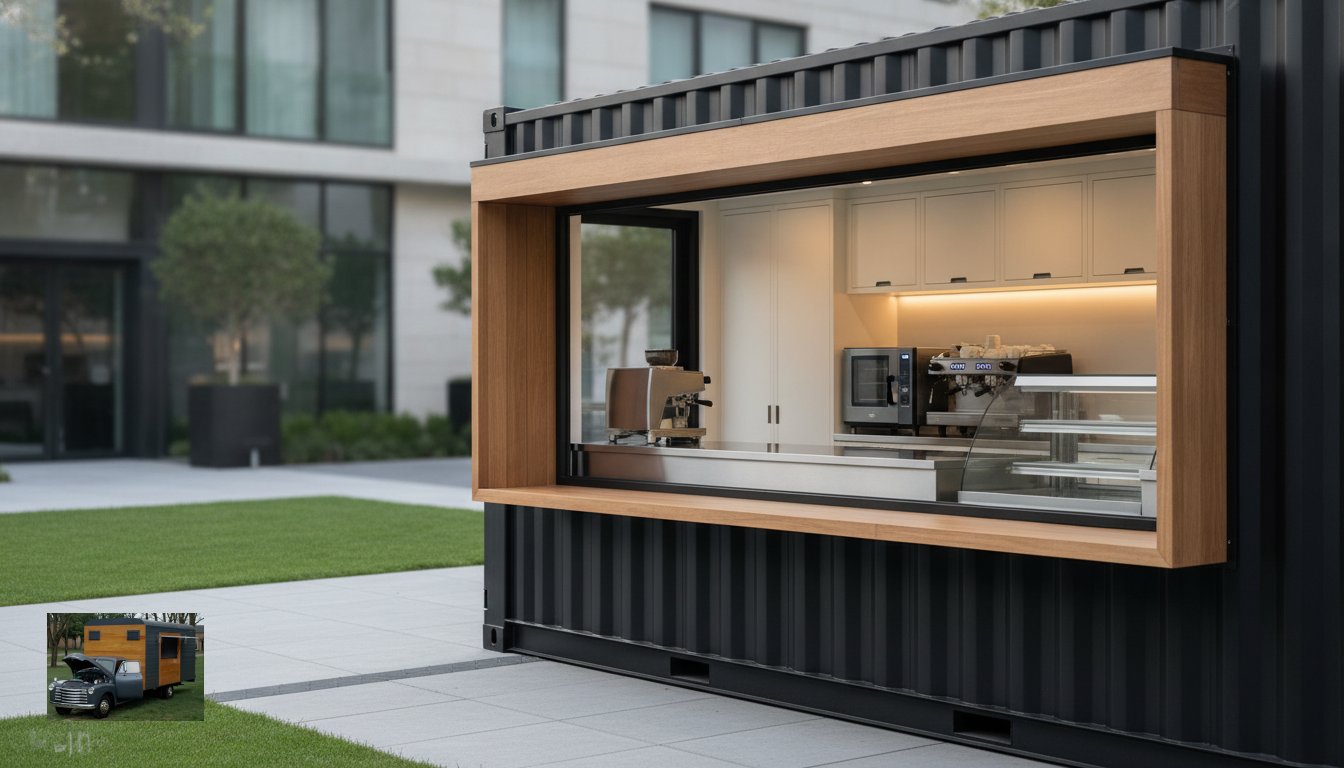
Structural Modifications: The process often begins with altering the vehicle's frame and body to support the intended design. This can include creating dramatic, oversized service windows that open up the interior and facilitate guest engagement, or reinforcing the structure to accommodate heavy commercial equipment.
Integrated Systems: Thoughtful fabrication involves planning for lighting, sound, and climate control systems from the very beginning. This allows for wiring, speakers, and fixtures to be concealed within the walls and ceiling, contributing to a clean, high-end finish that sets a specific brand mood.
Material Selection: The choice of materials for countertops, cabinetry, flooring, and exterior finishes is central to the brand narrative. Custom fabrication allows for the use of premium, durable materials that align with the brand's quality standards and are built to withstand the demands of mobile operations.
Designing for High-Value Environments
A luxury activation vehicle must complement the environments it inhabits. Whether deployed at a corporate campus, a private gallery opening, a film festival, or a high-end retail district, the vehicle should feel like a natural and sophisticated addition to the landscape. The design process considers how the unit will interact with its surroundings, ensuring it enhances the location's existing architecture and ambiance.
This approach was central to the collaboration between Hudson Trailer Company and Kohler for a mobile hospitality unit at the Whistling Straits golf course. The vehicle was designed not just as a food and beverage outlet, but as an architectural feature that mirrored the property’s esteemed brand standards. By focusing on a design that was both functional and aesthetically aligned, the Kohler activation vehicle became a seamless part of the guest experience.
Selecting the Ideal Platform for Your Brand Aesthetic
The foundation of any luxury brand activation vehicle is its platform. The choice of vehicle is a critical branding decision, as its inherent character and visual language will shape the entire project. Rather than selecting a generic box truck, leading brands often choose iconic or vintage platforms that possess a unique personality and timeless appeal.
Key considerations when evaluating platforms include:
Visual Language: Each vehicle type communicates a different message. The sleek, aerodynamic curves of an Airstream trailer evoke modernism and adventure, while a vintage step van suggests heritage, authenticity, and craftsmanship.
Brand Alignment: The platform should feel like a natural extension of the brand. A modern tech company might gravitate toward a polished aluminum trailer, while a heritage apparel brand could find a perfect match in a restored vintage van.
Operational Footprint: The size and scale of the vehicle must match its intended use. Large trailers offer ample space for retail or hospitality, while compact options like Tuk Tuks or Piaggio Apes are ideal for targeted sampling in high-density urban environments.
Iconic Airstreams and Polished Trailers
Polished aluminum trailers, particularly Airstreams, are widely regarded as a gold standard for luxury mobile activations. Their iconic, riveted aluminum shells provide a striking canvas for brands seeking a clean, modern, or retro-chic aesthetic. The reflective surface has a significant visual impact, especially in outdoor settings, and its durability is well-suited for national tours and long-term deployments.
The interior volume of these trailers can be optimized for various applications, from high-end mobile retail boutiques with custom displays to sophisticated mobile bars and lounges. The distinctive shape of Airstream renovations makes them instantly recognizable and highly photogenic, encouraging social media sharing and amplifying the activation's reach.
Vintage Step Vans and Specialty Conversions
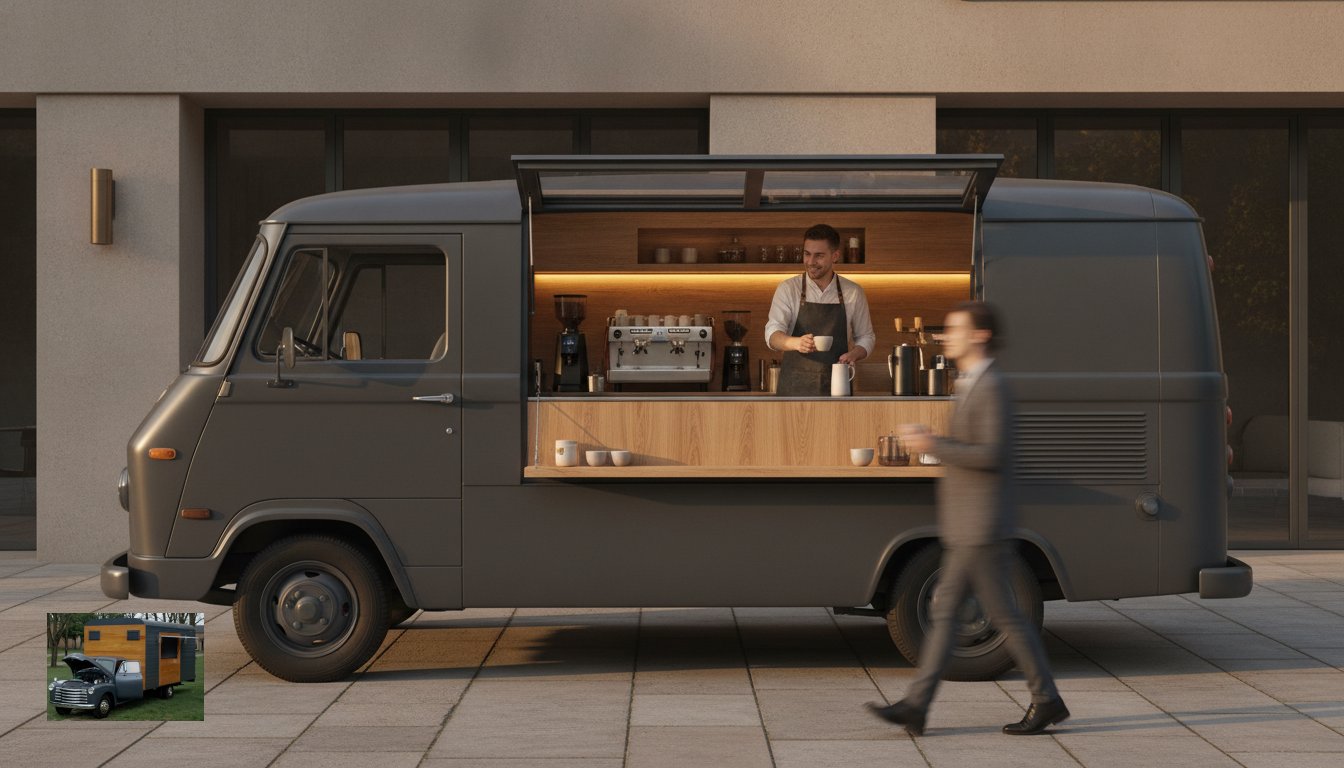
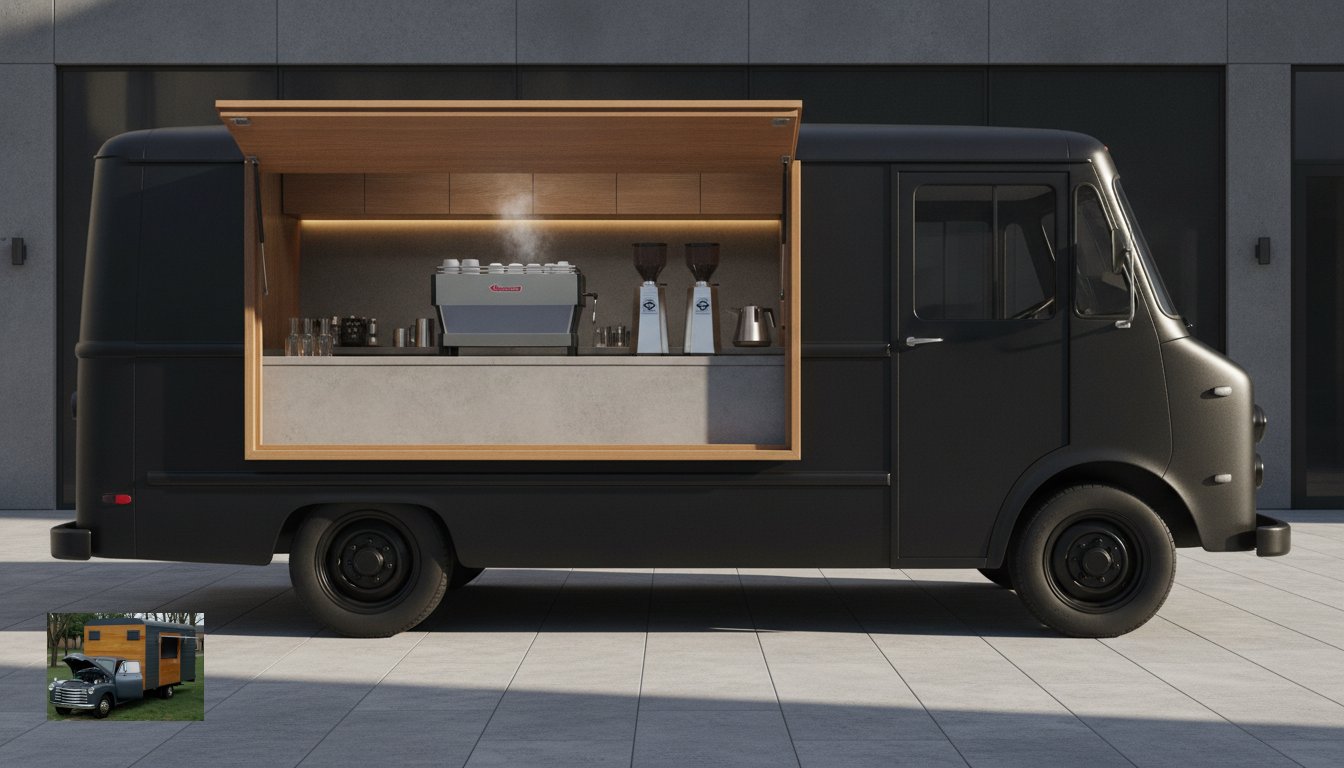
For brands looking to project a sense of character, heritage, and authenticity, a vintage step van renovation offers a unique and compelling platform. These vehicles, with their classic mid-century lines, can be transformed into fully functional mobile businesses that stand out in any setting. The spacious, boxy interior provides a flexible layout for kitchens, bars, or pop-up shops.
Beyond traditional vans and trailers, specialty conversions open up a world of creative possibilities. Diminutive Tuk Tuks can be converted into nimble espresso bars or sampling stations, perfect for navigating crowded event spaces. Even unconventional platforms like horse trailers can be reimagined as elegant mobile bars, blending rustic charm with sophisticated design for private events and weddings.
The Integrated Design and Fabrication Process
Creating a high-functioning luxury brand activation vehicle requires an integrated process where design, engineering, and fabrication are managed cohesively. This approach helps coordinate the complex interplay of equipment, utilities, and finishes into a single, well-executed plan. It is a meticulous process that moves from concept to a complete, operational asset.
The production timeline for a custom build depends on many factors, including project complexity, design and engineering, and the sourcing of specialized equipment and materials. A custom project typically requires a minimum of approximately 16 weeks from its scheduled start date and can extend to six months or longer. Scheduling is determined by the project's specific requirements and the fabrication shop’s current contracted workload.
Concept to Layout: Planning for Workflow
The most successful mobile units are designed from the inside out. The process begins with a deep understanding of the intended service model, whether it's a mobile retail shop, a coffee bar, a product sampling station, or an experiential marketing tour. The interior layout is carefully planned around the specific workflow to help optimize efficiency and enhance the customer experience.
Before fabrication begins, it is crucial to finalize the equipment list. The dimensions, power requirements, and ventilation needs of each piece of equipment are integrated into the design and engineering plans. Hudson Trailer Company prefers to source all approved equipment to ensure that the build is coordinated around precise specifications. This proactive approach helps balance aesthetic goals with the practical need for commercial-grade durability and functionality.
Engineering the Infrastructure
Beneath the high-end finishes lies a complex infrastructure of electrical, plumbing, and mechanical systems. Unlike a standard vehicle, a mobile business has the utility demands of a commercial building, all engineered to function within a compact, mobile footprint.
Electrical Systems: The electrical service is custom-designed based on the actual equipment load and operational needs of the project. A mobile coffee bar with a high-powered espresso machine and grinders will have vastly different requirements than a mobile retail boutique. The system is engineered to handle the specific power demands, which can sometimes require significantly greater capacity than typical 30-amp or 50-amp service.
Plumbing and Utilities: Plumbing systems are designed to meet the specific business model and relevant regulatory requirements. A food or beverage concept may require fresh and wastewater tanks, water heaters, and specific sink configurations. In contrast, a retail or product-sampling vehicle may have minimal or no plumbing needs. The utility plan is entirely dependent on the project's function.
Custom Cabinetry and Finishes: With the infrastructure planned, custom cabinetry and countertops are fabricated to house equipment and provide work surfaces. These elements are a critical part of the brand experience, where material choices, hardware selection, and build quality come together to create the final aesthetic.
Operational Excellence: Merging Style with Functionality
A truly successful luxury brand activation vehicle is one that performs as well as it looks. In high-pressure event environments, operational reliability is paramount. The design must account for the realities of mobile service, from staff comfort and workflow efficiency to the durability of materials and the dependability of onboard systems.
This commitment to functionality includes integrating professional-grade equipment, managing interior climate through proper insulation and ventilation, and designing for accessibility in diverse locations. The goal is to create a mobile environment that is not only beautiful but also a highly effective platform for business or brand engagement.
High-Volume Hospitality Standards
For activations centered on food and beverage service, the interior must be designed to meet the standards of a high-volume commercial kitchen or bar. This means creating logical workflows for staff, whether they are preparing espresso, mixing cocktails, or plating food. Specialized equipment, such as multi-grouphead espresso machines or complex draught beverage systems, must be securely installed with proper ventilation and utility connections to support peak performance.
Branding and Visual Identity Integration
The final layer of the project is the integration of the brand’s visual identity. This goes beyond a simple logo application. It involves a holistic approach where every detail reinforces the brand narrative.
Exterior Finishes: Custom paint in precise brand colors, applied with automotive-grade quality, creates a lasting and premium impression. Vinyl graphics can be used strategically to feature logos, campaign messaging, or intricate patterns.
Material and Hardware Selection: The choice of cabinet pulls, countertop materials, and lighting fixtures should reflect the brand's luxury status. These details, though small, collectively contribute to a cohesive and sophisticated experience.
Strategic Lighting: Thoughtful lighting design is crucial, especially for evening activations. A combination of ambient, task, and accent lighting can highlight products, illuminate work areas, and create an inviting glow that draws in guests and enhances brand visibility.
Partnering with Hudson Trailer Company for Your Activation
Creating a bespoke activation vehicle is a collaborative process between the client, their agency, and a design-driven fabrication partner. Hudson Trailer Company works closely with brands to translate their vision into a functional, beautifully crafted mobile asset. This partnership is built on clear communication and a shared understanding of roles and responsibilities.
While HTC manages the comprehensive design and fabrication process, the client plays a key role in ensuring the project’s success. This includes securing local permits, arranging for insurance, and handling the logistics of transportation for the completed unit.
Your Role in the Project
To ensure a smooth process, clients are typically responsible for:
Regulatory Requirements: Providing the specific requirements from local health departments or other regulatory bodies that will govern the vehicle's operation.
Defining the Concept: Finalizing the service model, workflow, and equipment list early in the design phase.
Logistics: Arranging for insurance, final pickup or shipping of the completed vehicle, and confirming site suitability for deployment.
Starting Your Custom Build
The journey begins with a conversation. By discussing your brand, platform ideas, service model, and design goals, you can begin to explore the possibilities for a unique mobile activation. A specialized builder can provide the expertise needed to navigate the complexities of design, engineering, and fabrication, resulting in a luxury brand activation vehicle that elevates your brand and engages your audience in a powerful new way.
To see examples of how leading brands have created unique mobile experiences, explore the HTC Client Portfolio.
When you are ready, we invite you to discuss your mobile business concept with our team.
Comments