Designing the Ultimate Custom Mobile Coffee Shop: The 2026 Luxury Guide
The Evolution of Bespoke Mobile Coffee Experiences
For discerning hospitality brands, a mobile coffee shop is far more than a vehicle; it's a strategic extension of their identity. Custom mobile coffee shop design transforms a trailer or vintage van from a simple point of sale into a curated guest experience. It’s about creating a destination, however small, that reflects the quality, aesthetic, and service standards of a luxury property. Where standardized food trucks often feel generic, a bespoke mobile café acts as a powerful, rolling ambassador for the brand, engaging guests in new and memorable ways.
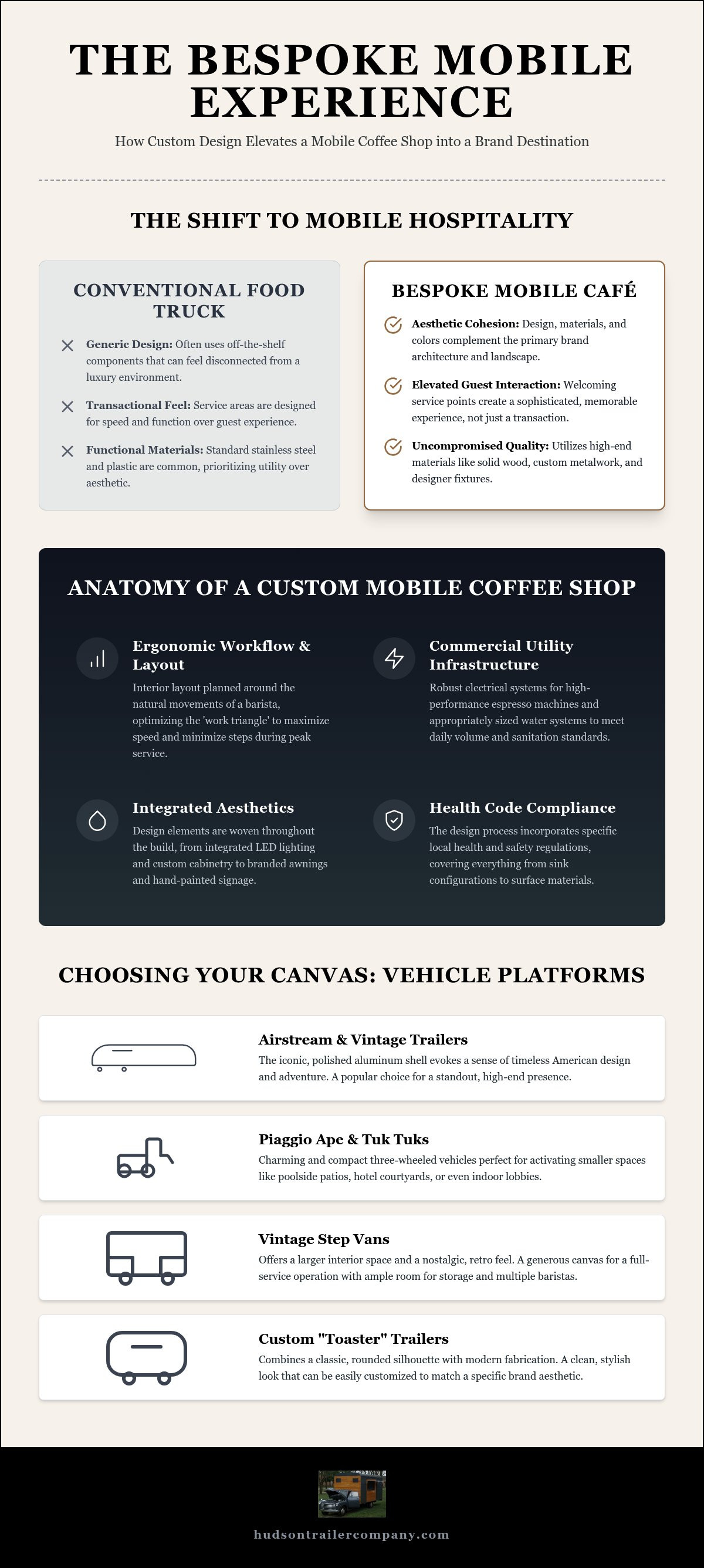
This shift is about perception. A thoughtfully designed mobile unit, featuring materials and finishes that echo a resort’s main lodge or a golf club’s pro shop, communicates a commitment to quality before a single cup is served. It becomes an architectural feature and a natural part of the landscape, inviting interaction and creating photo-worthy moments that amplify a brand’s reach.
The Shift from Food Truck to Mobile Hospitality
There is a fundamental difference between a conventional food truck designed for street fairs and a mobile hospitality unit created for a luxury environment. The latter moves beyond simple function to embody the brand's ethos. For golf courses, five-star hotels, and exclusive residential developments, an off-the-shelf trailer often clashes with the carefully cultivated atmosphere. Bespoke design addresses this by focusing on:
Aesthetic Cohesion: Ensuring the mobile unit’s design language—its colors, materials, and form—complements the surrounding architecture and landscape.
Elevated Guest Interaction: Designing service windows, counters, and point-of-sale areas that feel welcoming and sophisticated, not purely transactional.
Uncompromised Quality: Utilizing high-end materials like solid wood countertops, custom metalwork, and designer lighting fixtures that align with the expectations of a premium clientele.
Defining Your Brand’s Mobile Identity
The design process begins with translating a brand's essence into a mobile footprint. This involves a deep dive into the architectural style, interior design, and overall feeling of your primary location. The goal is to create a mobile café that feels like it was always meant to be there. Material selection is paramount. Choices like hand-finished brass, reclaimed wood paneling, or powder-coated steel are not just decorative; they tell a story about the brand’s values. A custom mobile café creates an iconic presence, instantly signaling a premium experience that is both authentic and thoughtfully executed.
Core Elements of a Custom Mobile Coffee Shop Design
A successful luxury mobile coffee shop is a masterful blend of form and function. While the exterior commands attention, the interior is a carefully planned system designed for efficiency and quality service. Every element, from the workflow to the utility infrastructure, must work in concert to support a high-end coffee program.
Workflow and Layout: The interior layout is planned around the natural movements of a barista. The placement of the grinder, espresso machine, and milk station is configured to minimize steps and maximize speed, especially during peak service times.
Utility Infrastructure: A professional coffee program requires robust utilities. The electrical system must be planned to handle the specific load of the selected espresso machine, grinders, and refrigeration. Water systems, including fresh and grey water tanks, are sized based on projected daily volume and local requirements.
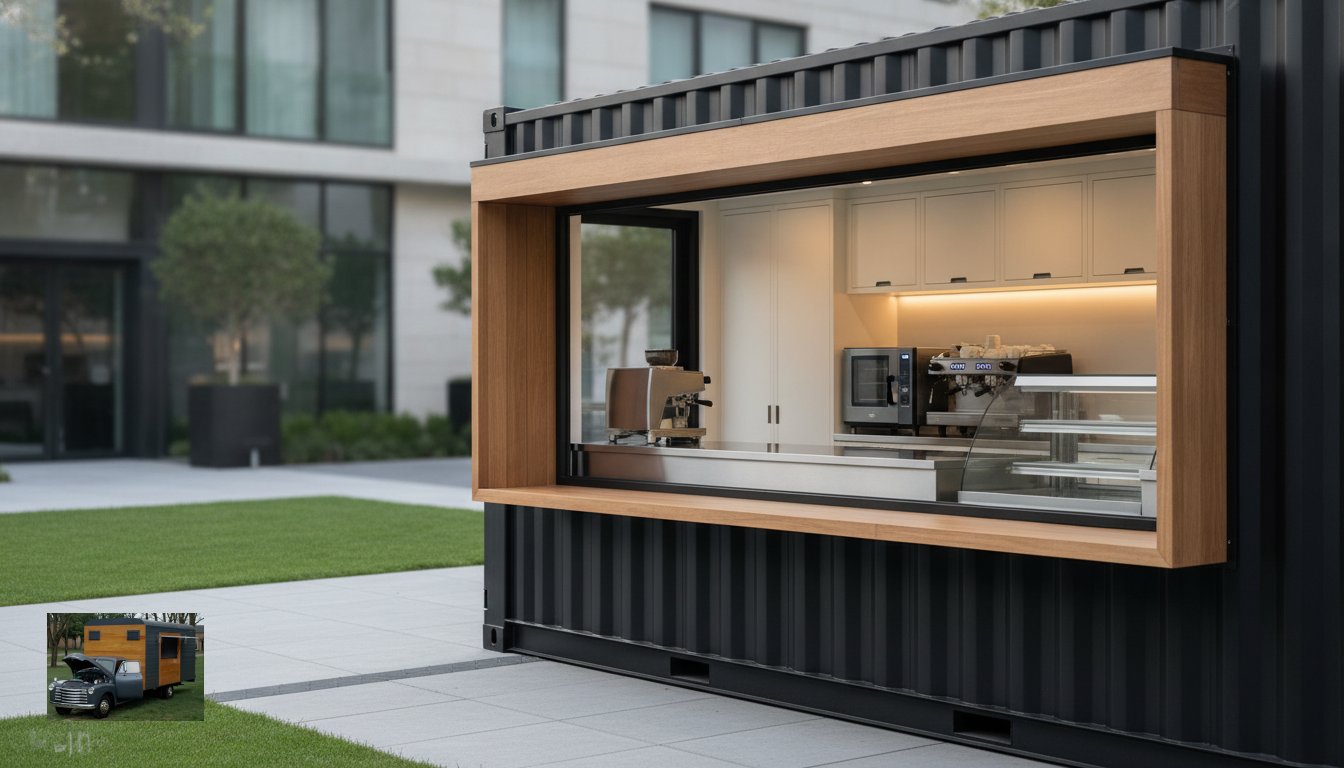
Integrated Aesthetics: Design elements are woven throughout the build. This can include integrated LED lighting to highlight the workspace, custom-built cabinetry for a seamless look, and exterior finishes like branded awnings or hand-painted signage.
Designing with Health Codes in Mind: Building a mobile coffee shop requires careful attention to local health and safety regulations. The design process incorporates the specific requirements provided by the client for their operating jurisdiction, covering everything from sink configurations to surface materials.
Ergonomic Workflow Planning
In a compact space, every inch matters. An ergonomic layout is essential for enabling baristas to work comfortably and efficiently, even during sustained rushes. This involves optimizing the "work triangle" to ensure a logical flow from grinding beans and tamping espresso to steaming milk and serving the customer. Counter heights are designed to reduce strain and facilitate easy interaction with guests. Clever storage solutions, such as custom-fit drawers, under-counter shelving, and vertical cabinets, are integrated to ensure all necessary supplies are organized and within reach, keeping the workspace clean and uncluttered.
Commercial Utility Infrastructure
The heart of any mobile coffee shop is its utility system. The electrical plan is one of the most critical components, calculated to support the specific power requirements of the chosen equipment package. While some high-performance espresso machines need a 220V circuit, others may not, so equipment selection is a key first step before finalizing the utility design. Similarly, the plumbing system is designed for the demands of a full day of service. This includes appropriately sized fresh and grey water tanks and a water heater that meets health department standards for sanitation. Optional climate control systems, like air conditioning or heating, can also be integrated to ensure a comfortable working environment for staff in any weather.
Choosing Your Canvas: Comparing Vehicle Platforms for Luxury Brands
The vehicle or trailer itself is the foundation of your mobile brand. Each platform offers a unique aesthetic and a different set of functional possibilities. The choice depends on your brand identity, your intended location, and your operational needs. It's important to note that when converting vintage vehicles, mechanical restoration and ensuring roadworthiness are specialized considerations that can be included in the project scope if specified in the contract.
The Airstream Renovation: The polished aluminum shell of a vintage Airstream is iconic. It evokes a sense of timeless American design and adventure, making it a popular choice for high-end brands seeking a standout presence.
Piaggio Ape and Tuk Tuk Conversions: These charming three-wheeled vehicles are perfect for activating smaller spaces. Their compact size makes them ideal for poolside service, hotel courtyards, or even indoor lobbies where space is at a premium.
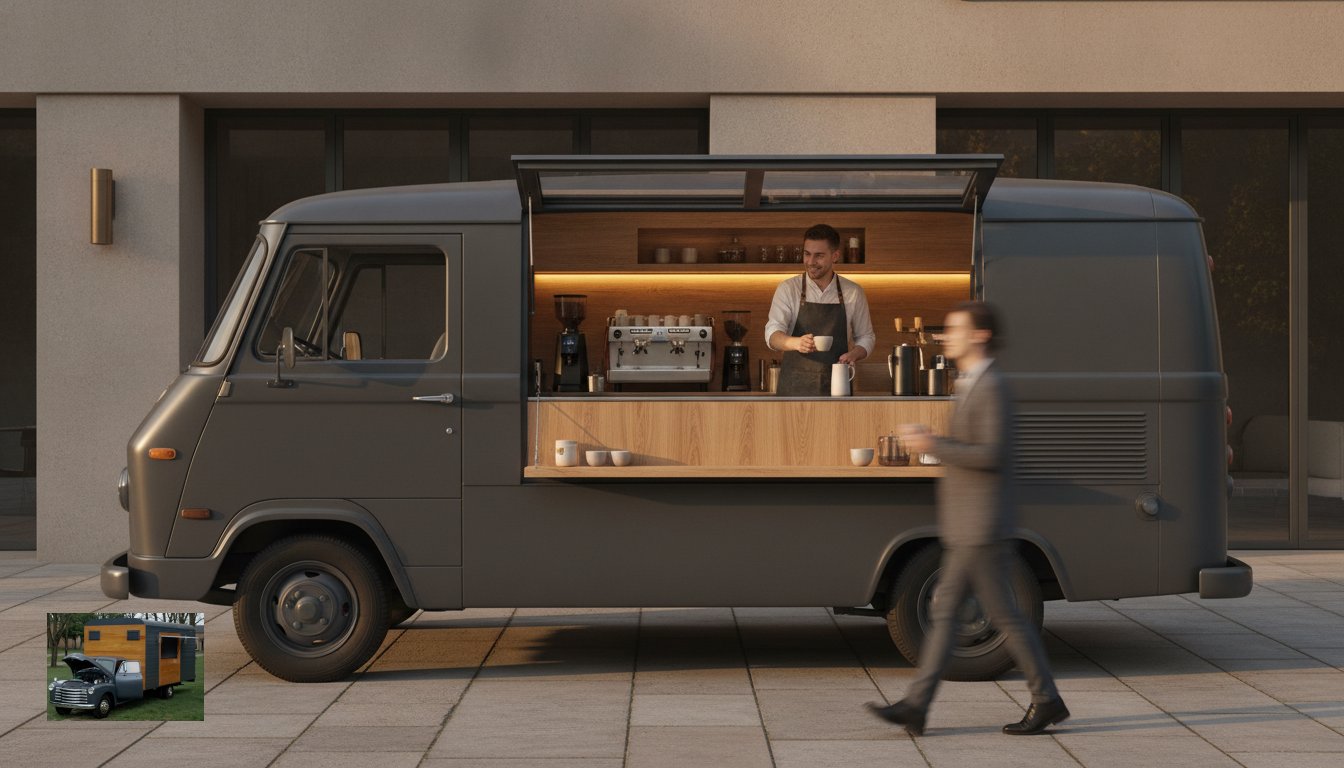
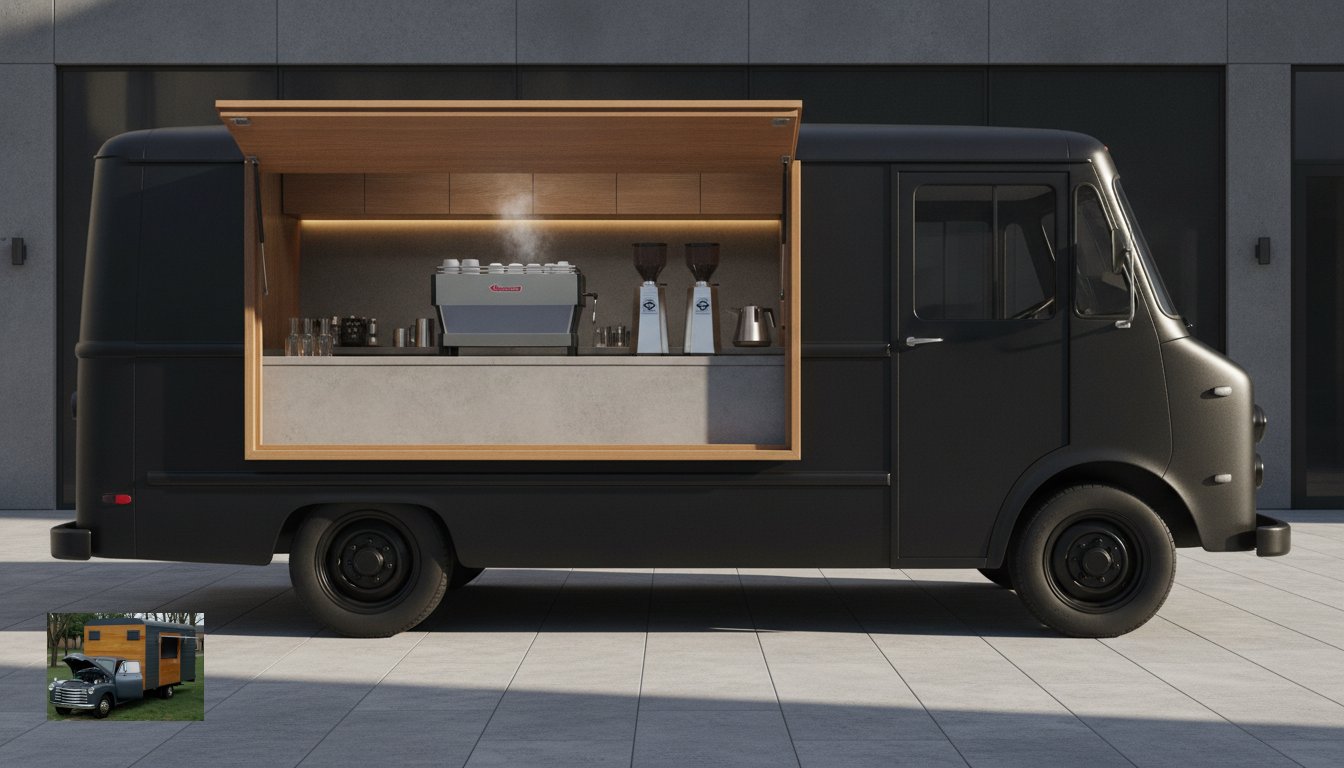
Vintage Step Vans: Offering a larger interior space and a nostalgic, retro feel, step vans provide a generous canvas for a full-service coffee operation with ample room for storage and multiple baristas.
Custom "Toaster" Trailers: These builds combine a classic, rounded silhouette with modern fabrication techniques, offering a clean, stylish look that can be easily customized to match a brand's aesthetic.
Airstream and Vintage Trailer Conversions
Converting a vintage trailer like an Airstream into a commercial coffee shop is a significant undertaking that requires specialized expertise. The unique curved walls necessitate custom cabinetry and countertops, all built by hand to fit the shell perfectly. Depending on the weight of the commercial equipment, the trailer's original frame and subfloor may need structural reinforcement to ensure safety and durability. The result, however, is a "wow factor" that is hard to replicate. The gleam of polished aluminum creates a dramatic backdrop for a luxury brand, attracting guests and creating a memorable service point.
Compact Powerhouses: Piaggio Apes and Tuk Tuks
For operations focused on grab-and-go efficiency, a Piaggio Ape or Tuk Tuk is an excellent choice. Their small footprint allows them to be placed in locations inaccessible to larger trailers, bringing the coffee service directly to the guest. The design challenge is to fit a complete, professional-grade coffee setup—including an espresso machine, grinder, refrigeration, and hand-washing station—into a compact space. This requires meticulous space planning and often involves custom-fabricated components. These small vehicles excel in environments like hotel lobbies, atriums, or as part of indoor events. For any indoor use, the property owner is responsible for confirming that the unit meets all local requirements for floor loading, fire safety, and ventilation.
Designing for High-Volume Hospitality and Resort Environments
Mobile coffee units offer a uniquely flexible solution to the logistical challenges of large resorts, golf courses, and event venues. They can be positioned to serve guests exactly where they are, enhancing the overall experience and capturing sales that might otherwise be missed. A well-designed mobile café can serve as a valuable amenity, enriching the guest journey from the moment they arrive.
Durability is also a key design consideration for these high-traffic environments. Material choices should be beautiful yet resilient, able to withstand constant use and exposure to the elements. Surfaces like stainless steel, quartz countertops, and durable flooring options can be specified to ensure the unit maintains its premium appearance over time.
Resort and Golf Course Integration
On a golf course, a mobile coffee shop can be designed for "The Turn," providing quick, high-quality espresso drinks and snacks for golfers moving between the front and back nine. For a resort, a mobile unit can function as a flexible breakfast station, easing congestion at the main restaurant, or as an afternoon gathering spot by the pool. To support year-round operation in diverse climates, builds can be designed with features like insulated walls, all-season tires, and robust heating or cooling systems, ensuring consistent service regardless of the weather.
The Build-to-Spec Advantage for Developers
For property developers, a custom mobile unit offers a strategic advantage. It can activate a space and establish a brand's hospitality standard long before permanent structures are completed. This allows a new development to begin building a community and generating buzz early in the process. A build-to-spec mobile unit allows developers to introduce a premium amenity without the timeline and capital investment required for a traditional brick-and-mortar build-out, providing flexibility as the property evolves.
Realizing the Vision: The Hudson Trailer Company Fabrication Process
Bringing a custom mobile coffee shop to life is a collaborative process that balances a client's vision with the practical realities of fabrication and operation. It moves methodically from a high-level concept to a fully realized, road-ready business asset. Each phase is built on communication and detailed planning to ensure the final product perfectly aligns with the brand's goals.
Phase 1: Conceptual Design and Brand Alignment: The process begins with a deep-dive consultation to understand your brand, menu, operational goals, and aesthetic vision. This phase is about exploring possibilities and defining the core identity of your mobile coffee shop.
Phase 2: Detailed Layouts and Equipment Integration: Once a direction is set, the focus shifts to the technical details. Equipment is selected, and detailed CAD layouts are created to map out the electrical, plumbing, and interior workflow. This blueprint ensures every component works together seamlessly.
Phase 3: Master Craftsmanship and Fabrication: With the designs approved, skilled craftspeople bring the vision to life. This hands-on phase involves everything from metal fabrication and custom cabinetry to installing the utility systems and interior finishes.
Phase 4: Final Finishes and Preparation for Transport: The final stage involves applying branding elements like vinyl wraps or custom paint, installing countertops, and conducting rigorous tests of all systems. The completed unit is then prepared for client-arranged transport.
From Concept Sketch to CAD Design
The journey from an idea to a buildable plan is one of the most exciting parts of the process. Our design team works with clients to merge their creative vision with our fabrication expertise. We help source the right professional-grade equipment for your specific menu and volume needs, a critical step that must be finalized before layouts are complete. Detailed renderings can be created to provide a realistic preview of the finished unit, allowing for adjustments before construction begins.
Master Craftsmanship in Fabrication
Quality is built in, not bolted on. The fabrication stage is where thoughtful design becomes tangible reality. Our team of artisans specializes in the kind of detailed work that defines a luxury build, from hand-built hardwood cabinetry to precisely welded service windows. Before any unit leaves our shop, its electrical and plumbing systems undergo thorough testing to ensure they are functioning correctly. The final finish—whether it’s a high-gloss custom paint job or a meticulously applied brand wrap—provides the polished, professional appearance that makes a powerful first impression.
Frequently Asked Questions
What is the typical timeline for a custom mobile coffee shop build? While each project is unique, the production phase is generally 10 to 12 weeks. This period begins from your scheduled production start date, after all design decisions have been finalized and approved.
Do you provide the coffee equipment, or do I need to source it? We prefer to source and integrate the approved equipment as part of the comprehensive design and build contract. Selecting equipment early is crucial, as the entire electrical, plumbing, and cabinetry plan is designed around the specific dimensions and requirements of those machines.
Are your trailers and vehicles built to meet health codes? There is no single "national" health code, as requirements vary significantly by state, county, and even city. Our process is to design and build the unit to incorporate the specific health code regulations that you, the client, provide for the jurisdiction where you will operate. We do not guarantee permit approval, as that is handled by local inspectors.
Can an Airstream be converted into a high-volume coffee shop? Absolutely. Airstreams are an excellent platform for a high-volume mobile café. Their size allows for an efficient workflow and robust equipment. The conversion process may include reinforcing the frame to support the weight of commercial machines and water tanks.
What kind of power source is required for a mobile espresso bar? The power requirement depends entirely on the equipment package you select. Some high-output espresso machines require a 220V connection, while smaller setups may run on standard 110V power. We design the electrical system to match your chosen equipment, which is typically powered by a generator or a shoreline connection.
Do you ship your custom coffee trailers? Clients are responsible for arranging, contracting with, insuring, and paying their own third-party transporter for pickup and delivery. We can provide contacts for transport companies our clients have used in the past and will coordinate with your chosen shipper for a smooth pickup from our facility.
What is the difference between a coffee trailer and a Piaggio Ape conversion in terms of output? A larger coffee trailer can typically support more staff, larger equipment, and greater onboard storage for water and supplies, making it better suited for sustained, high-volume service. A Piaggio Ape is designed for agility and smaller-scale events, excelling at high-quality, lower-volume service in unique locations.
Can you design a mobile coffee shop for indoor use in a hotel lobby? We can design and build a unit intended for indoor use, such as a Piaggio Ape or a custom coffee cart. However, it is the client's and property owner's responsibility to ensure the venue can accommodate the unit and that it complies with all local building, fire, and safety codes for indoor operation.
Comments